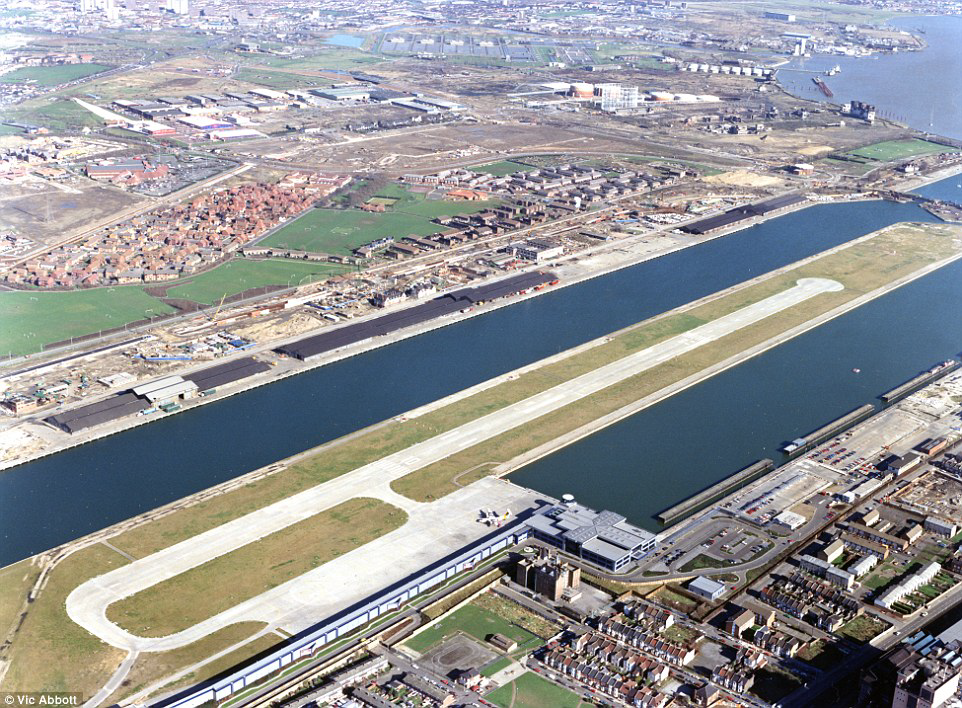
This is a fascinating piece of British aviation history. London City Airways was one of the pioneering airlines operating from the newly opened London City Airport in the late 1980s.
Your account highlights several interesting details:
- 1986: Incorporated as Eurocity Express Ltd, a wholly owned subsidiary of British Midland Airways.
- Autumn 1987: Started operations from London City Airport to Amsterdam, Brussels and Paris.
- Aircraft: Initially operated two de Havilland Canada DHC-7 Dash 7 aircraft.
- 1988: Renamed London City Airways Ltd.
- 1988: Expanded its fleet to four Dash 7s, including G-BOAZ purchased from Maersk Air.
- Additional routes: Jersey, alongside weekend charter flights.
- 1990: Ceased operating following financial losses, with its assets absorbed into British Midland Airways.
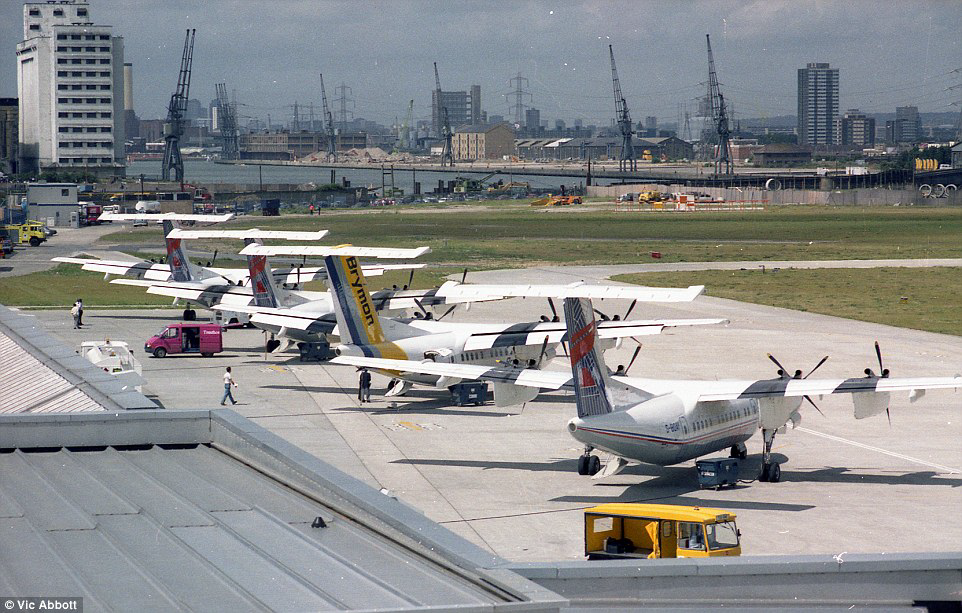
DHC Dash 7 London City Airways
DHC-7-110 Dash 7 London City Airways G-BOAY – AirTeamImages.com
samolotypolskie.pl – De Havilland Canada (Boeing Canada) DHC-7 “Dash 7”
The aircraft
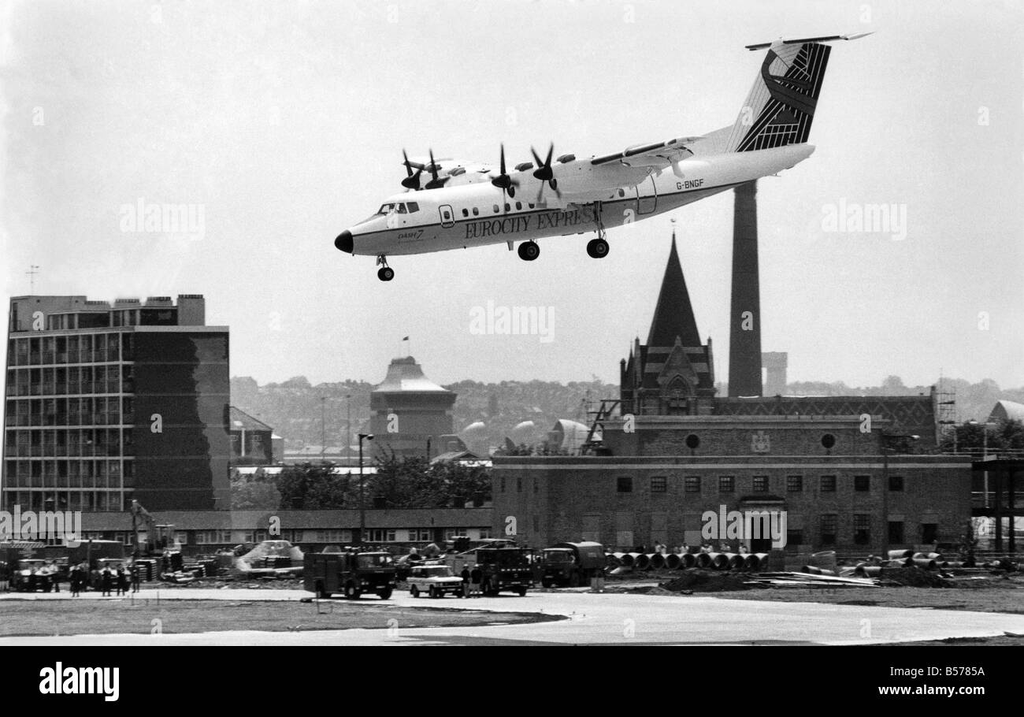
The de Havilland Canada DHC-7 Dash 7 was particularly suitable for London City Airport because of its excellent short-field performance.
Its four turboprop engines and high-lift wing enabled it to operate from the airport’s relatively short runway.
An interesting historical detail
London City Airways, together with Brymon Airways, helped establish London City Airport as a commercial aviation destination.
The following registrations are recorded in the airline’s fleet history.
| Registration | Aircraft version | Fleet information |
|---|---|---|
| G-BNDC | DHC-7-102 | Original aircraft |
| G-BNGF | DHC-7-102 | Original aircraft |
| G-BOAW | DHC-7-110 | New aircraft, 1988 |
| G-BOAX | DHC-7-110 | New aircraft, 1988 |
| G-BOAY | DHC-7-110 | New aircraft, 1988 |
| G-BOAZ | DHC-7-102 | Acquired from Maersk Air, 1989 |
An important distinction: the original two aircraft were replaced as the newer aircraft arrived. The airline’s maximum operating fleet was four, although six registrations feature in its history.
What happened to the aircraft?
Some interesting subsequent histories:
- G-BOAW: Subsequently operated by British Midland and later Berjaya Air as 9M-TAK.
- G-BOAX: Passed to the Natural Environment Research Council and British Antarctic Survey, becoming VP-FBQ. A particularly interesting survival story.
- G-BOAY: Later operated by Brymon Airways and Berjaya Air as 9M-TAL.
- G-BOAZ: Later operated by Brymon Airways and British Midland, eventually scrapped after a long career.